Technical Portfolio · 2026

Technical Portfolio& Engineering Competency

Mohamed Ali Triki
Civil Engineer — Project Management & Technical Supervision

From structural studies to on-site delivery — a practical journey through civil engineering and project management, built on 6+ years of field progression from Site Supervisor to Civil Engineer.

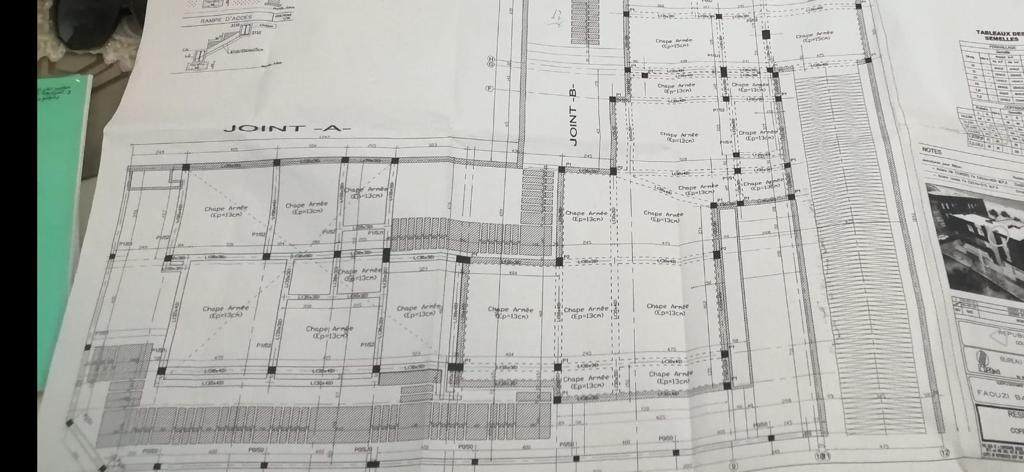
Structural Design (AutoCAD · Revit)
Robot Structural Analysis · Arche
Planning & Budget (MS Project)
QA/QC · HSE · Eurocodes
Multi-disciplinary Team Leadership
01
Mohamed Ali Triki
About Me

An engineer rooted on the ground

I'm Mohamed Ali Triki, a Civil Engineer (ESSAT Gabès, 2026) with 6+ years of progressive field experience — from Site Supervisor to Construction Manager, Project Manager, and now Civil Engineer, all within Société Oasis de Travaux Généraux. My work combines structural rigour, BIM tooling, and hands-on project delivery.

Nationality
Tunisian
Education
Civil Engineer · ESSAT 2026
Experience
6+ years
Based in
Tunisia · Open to relocation
Professional Goal

Deliver structural quality and predictable schedules on international projects, applying Eurocode rigor, BIM coordination, and on-site discipline from day one.

Section 03

Project Delivery Cycle

A clear reading of the full project chain drives the right decisions at every phase — protecting quality, budget, and schedule from studies to handover.

01
Design Studies
02
Structural Calculations
03
Planning & Budget
04
Site Preparation
05
Execution & Supervision
06
QA/QC Control
07
Reception & Handover
Expert Note

Reading the full delivery chain — from design assumptions to as-built records — is what allows correct decisions at every stage and keeps quality, cost, and schedule aligned.

Section 02

Experience Summary

My Site Experience · Deep Foundations

Works I supervised on site — piling & concrete quality control

Here is how I run a deep-foundation chantier, phase by phase: I supervise the bored piles, check the reinforcement cages, read the instrumented drilling records and accept or refuse each concrete delivery myself.

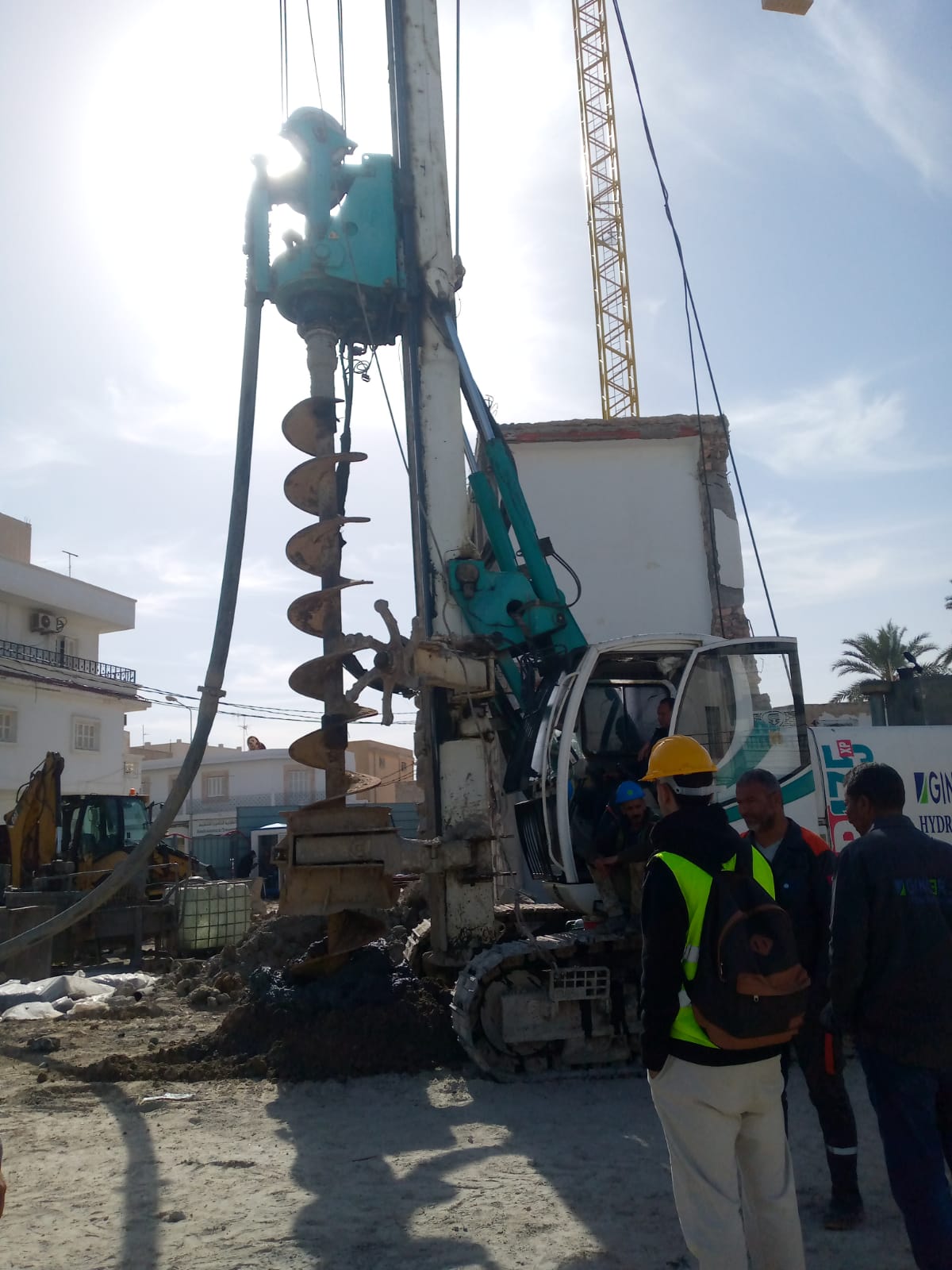
Bored pile drilling (Pieux forés)
01Phase 01

Bored pile drilling (Pieux forés)

I supervised the boring of deep foundation piles with a rotary auger rig in a dense urban setting — I checked verticality on every pile, controlled spoil removal and validated the drilling depth against the design before the cage went in.

What I watch for: the pile must reach the competent bearing stratum — that is what carries the building when the surface soil cannot.
Reinforcement cage lifting & placement
02Phase 02

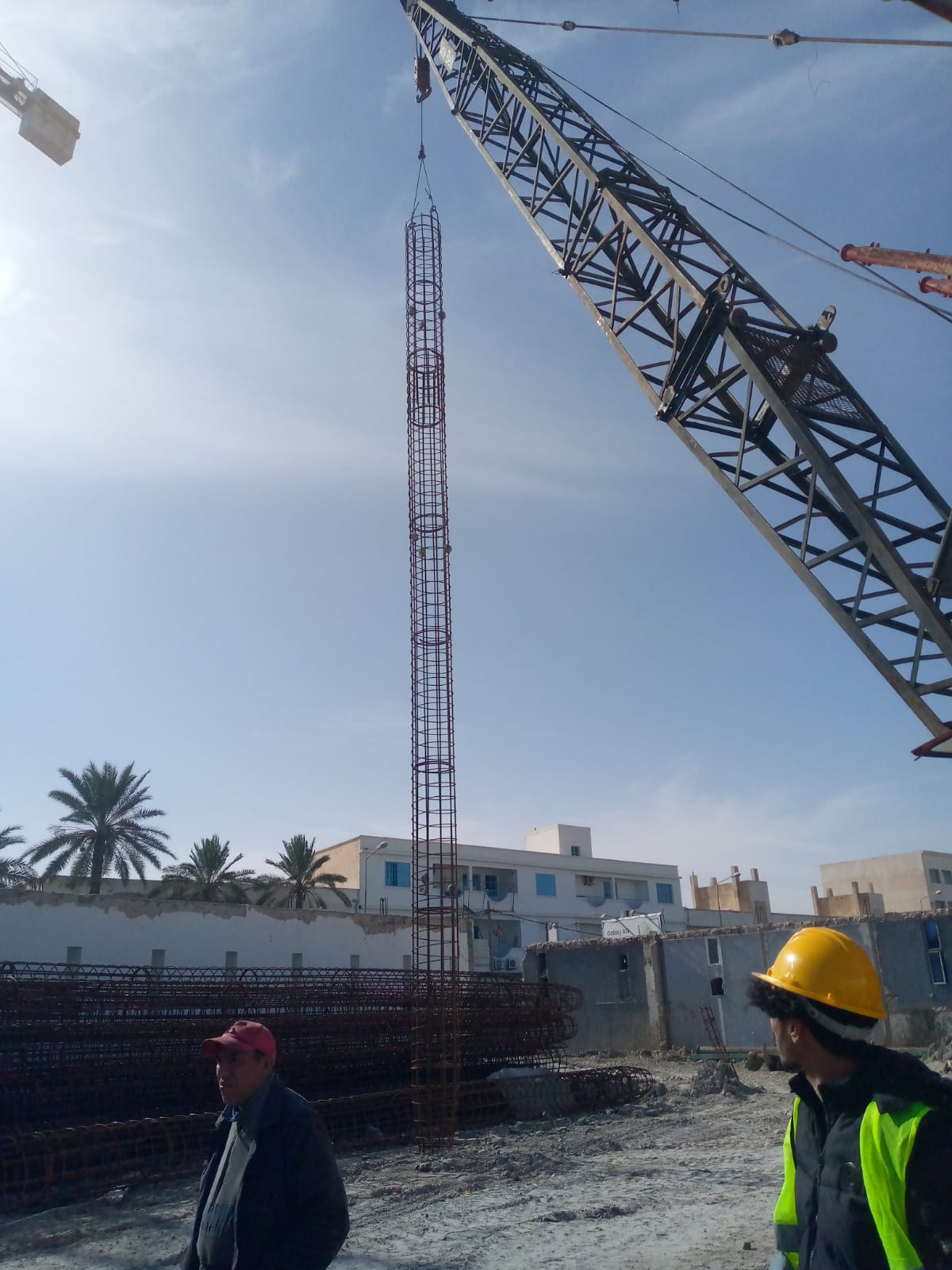
Reinforcement cage lifting & placement

I directed the crane lift of the full-height reinforcement cage: before every lift I verified the bar diameters, the lap lengths, the tying and the spacers, then followed the cage down into the fresh bore.

What I watch for: uniform cover. Get the geometry wrong and the pile loses both bending capacity and durability.

Instrumented pile monitoring (Jean Lutz DIALOG)
03Phase 03

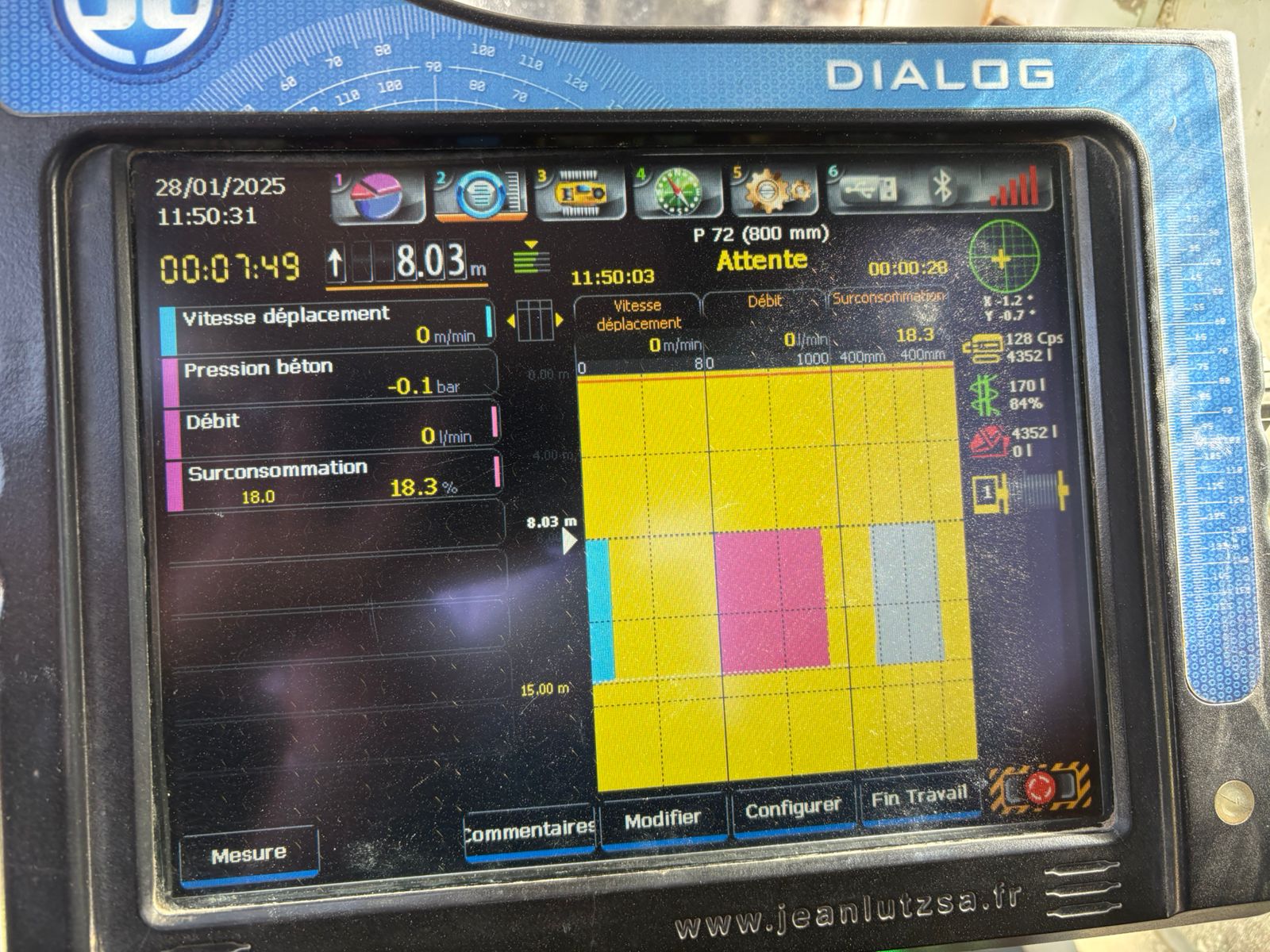
Instrumented pile monitoring (Jean Lutz DIALOG)

I read the drilling and concreting parameters live on the Jean Lutz screen — depth 8.03 m, concrete pressure, flow rate and 18.3% over-consumption on pile P72 (⌀800 mm) — and I signed off each pile record before moving to the next.

What I watch for: the log is my traceable proof that the pile was concreted continuously and to the theoretical volume.

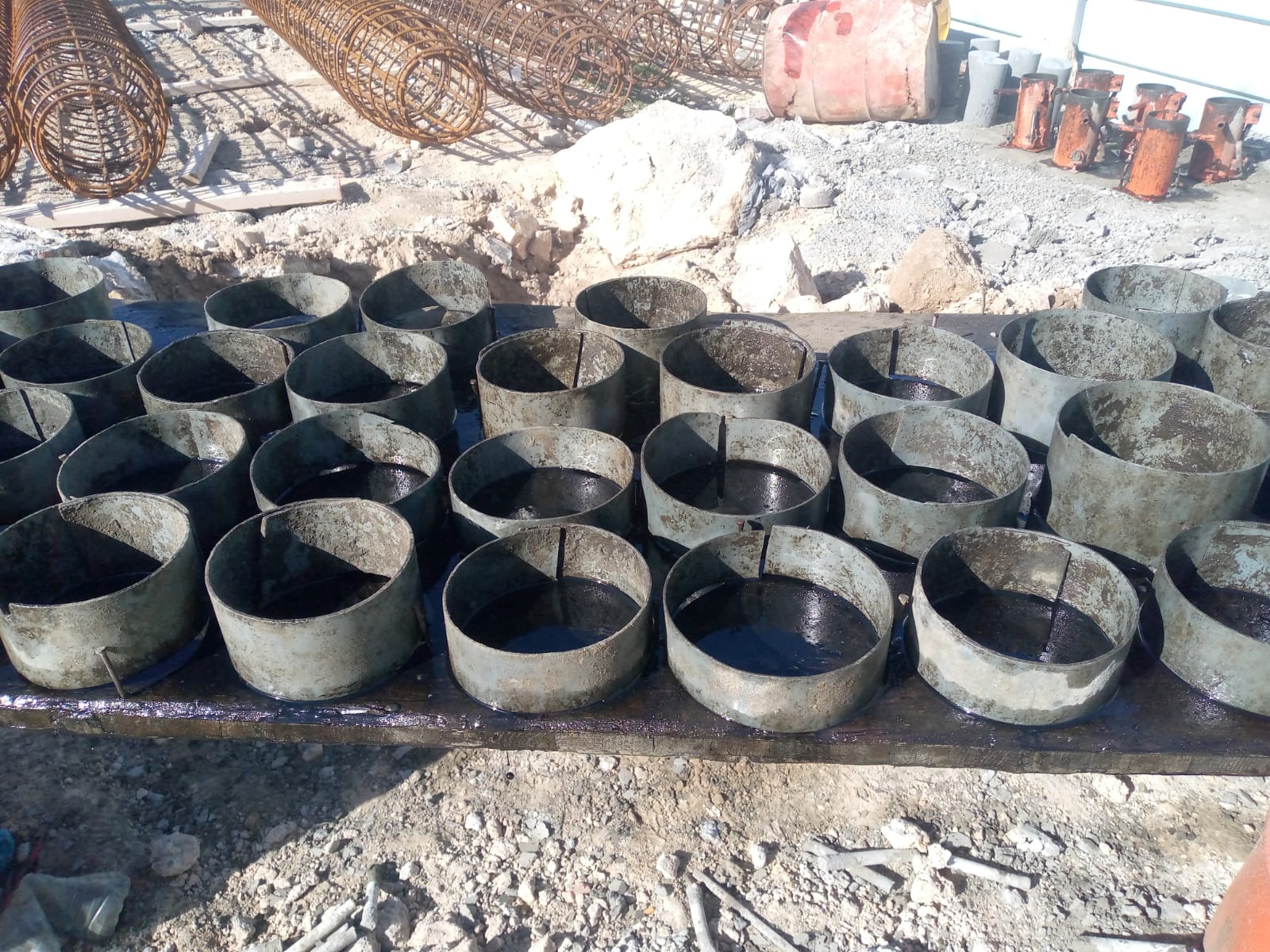
Preparation of concrete test moulds
04Phase 04

Preparation of concrete test moulds

I organised the sampling station myself: cylindrical steel moulds cleaned, oiled and numbered in series so a sample could be taken from every concrete truck arriving on site.

What I watch for: without sampling discipline I have no defensible strength record at 7 and 28 days.

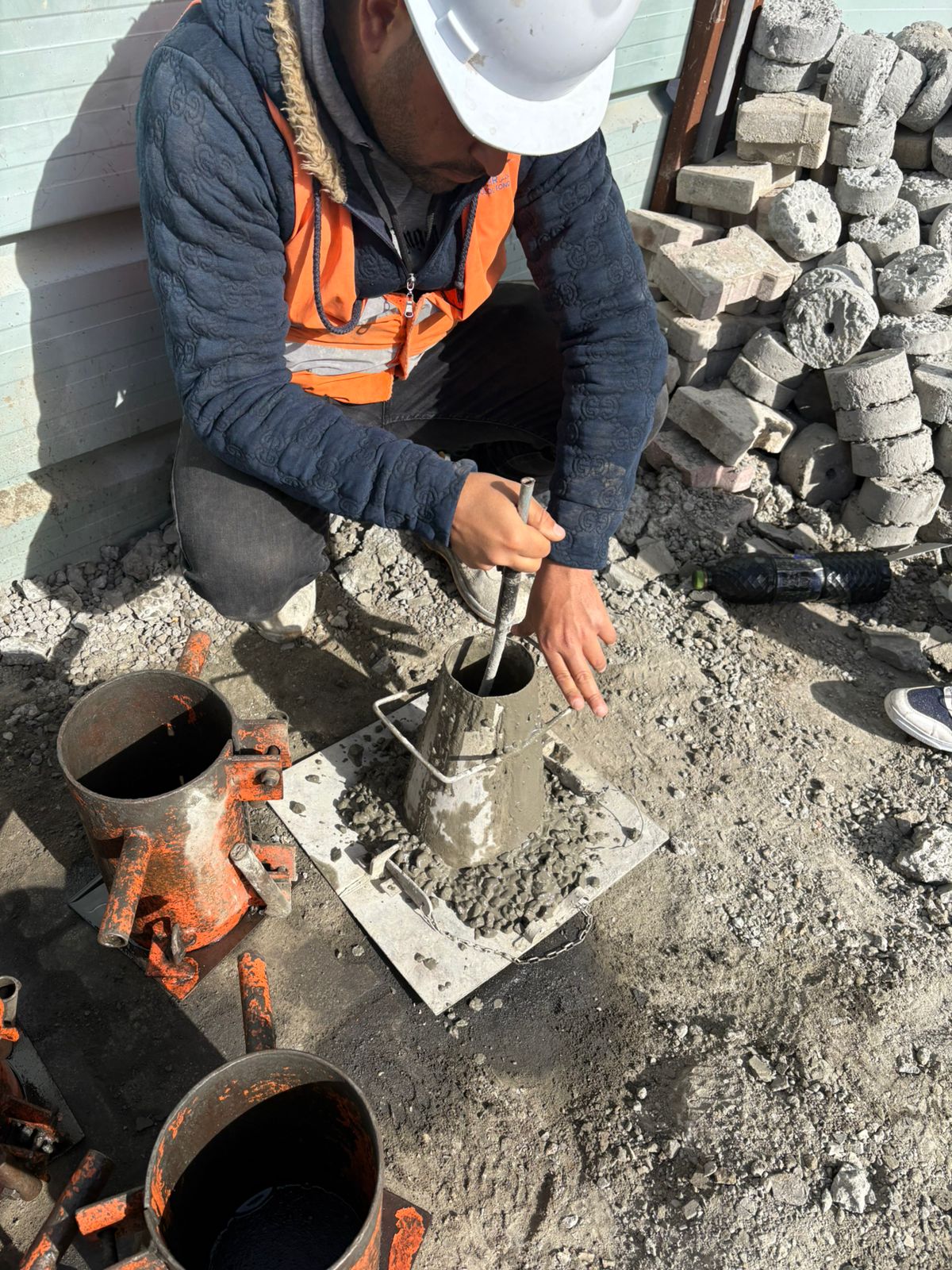
Slump test & sampling on delivery
05Phase 05

Slump test & sampling on delivery

At each delivery I ran the Abrams cone test with the team — filled and rodded in layers to measure workability — and took the cylinders for laboratory testing before accepting the load.

What I watch for: I refuse a non-conforming batch at the gate rather than discover it inside the structure.

Software & Tools

Programs I Work With Daily

Design, analysis, and project-control software I use across studies, execution drawings, and site management.

AutoCAD

2D execution and detail drawings, setting-out plans, and as-built documentation.

Robot Structural Analysis

Modelling and dimensioning of concrete and steel structures under Eurocode load combinations.

Revit

BIM modelling, coordination between trades, and quantity extraction from the model.

Graitec Arche

Reinforced-concrete element design and automatic reinforcement drawings and calculation notes.

MS Project

Planning, Gantt scheduling, and progress tracking of site works and deadlines.

Excel & Word

Quantity take-offs, cost tracking, calculation sheets, and technical reporting.

04

Industrial Hangar —
Steel Structure

Final-year engineering project (ESSAT Gabès, 2026): complete structural study and dimensioning of an industrial hangar in steel framing, from architectural concept to regulatory sizing of every load-bearing element.

Structural Study Steps

01
Load Assessment

Permanent, live, wind, and snow loads evaluated per Eurocodes EC1 and EC3.

02
Member Sizing

Columns, trusses, purlins, and bracing sized in Robot Structural Analysis.

03
Manual Verification

Hand-checks against EC3 to validate each critical section and assembly.

04
Execution Drawings

AutoCAD execution plans and full justified calculation note produced.

Engineering Decisions

  • Approved for execution

    Studies conforming to Eurocodes with margins verified — proceed to construction.

  • Requires optimisation

    Sections slightly over-designed or coordination clashes — revise before tender.

  • Reject & redesign

    Structural instability or non-compliant assemblies — full redesign required.

Technical Toolset

Software I Work With

1

AutoCAD — execution, detail and setting-out drawings

2

Robot Structural Analysis & Graitec Arche — Eurocode design

3

Revit — BIM modelling and multi-trade coordination

4

MS Project, Excel & Word — planning, costing and reporting

My Site Experience · Water Infrastructure

Elevated water tower I supervised — El Hamma / Gabès

I supervised the construction of an elevated water tower built to strengthen the pressure of the drinking-water distribution network — I followed it from the circular raft through to hydraulic commissioning and handover.

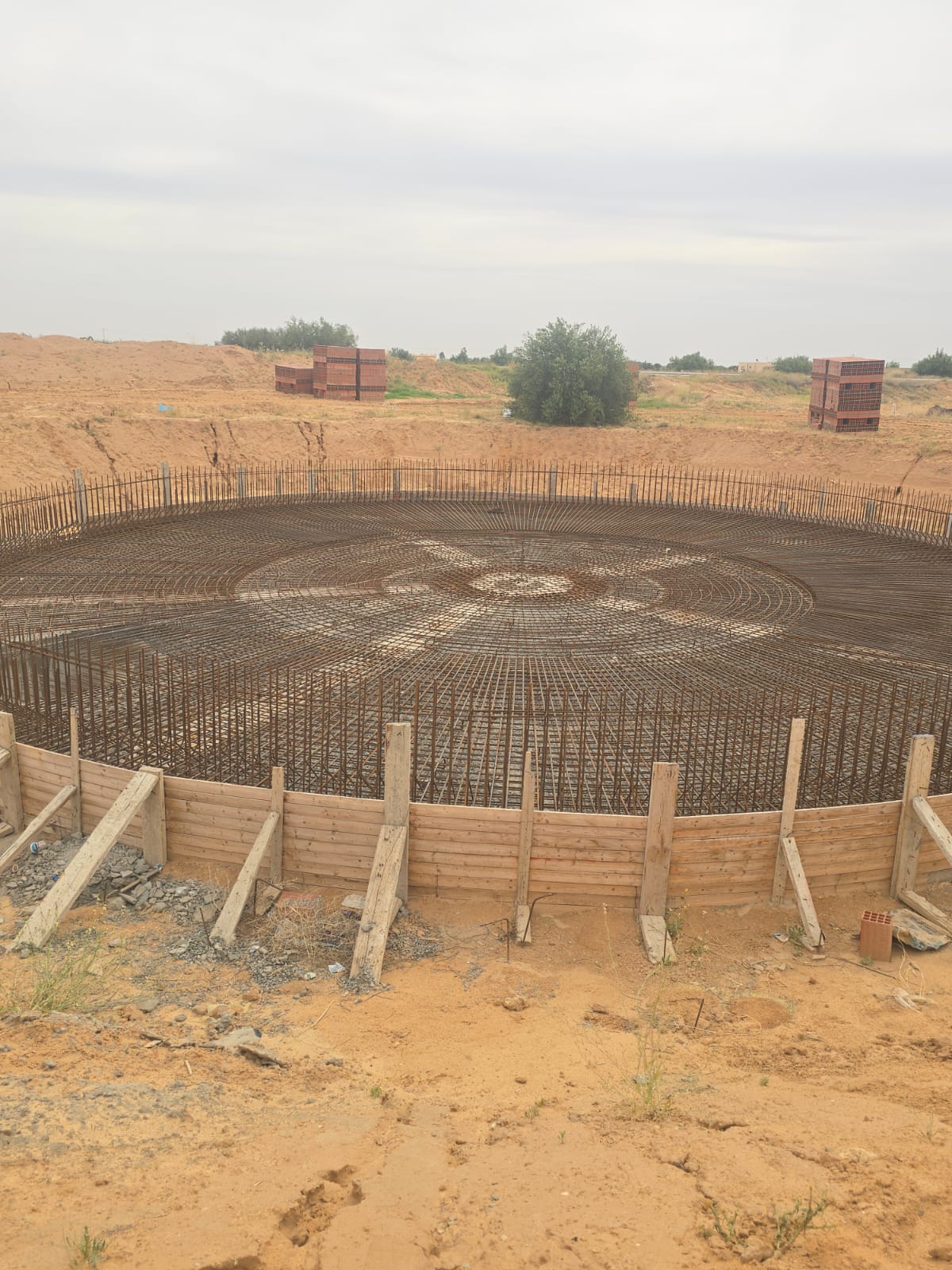
Circular raft reinforcement & formwork
01Stage 01

Circular raft reinforcement & formwork

I checked the radial and circumferential reinforcement mats over the circular raft before closing: bar spacing, laps, cover and the bracing of the timber formwork all around, and I made sure the starter bars for the shaft walls were correctly positioned.

Why I insist on this: the raft spreads the full tower load and anchors the shaft against wind overturning — nothing gets poured before I sign off on it.

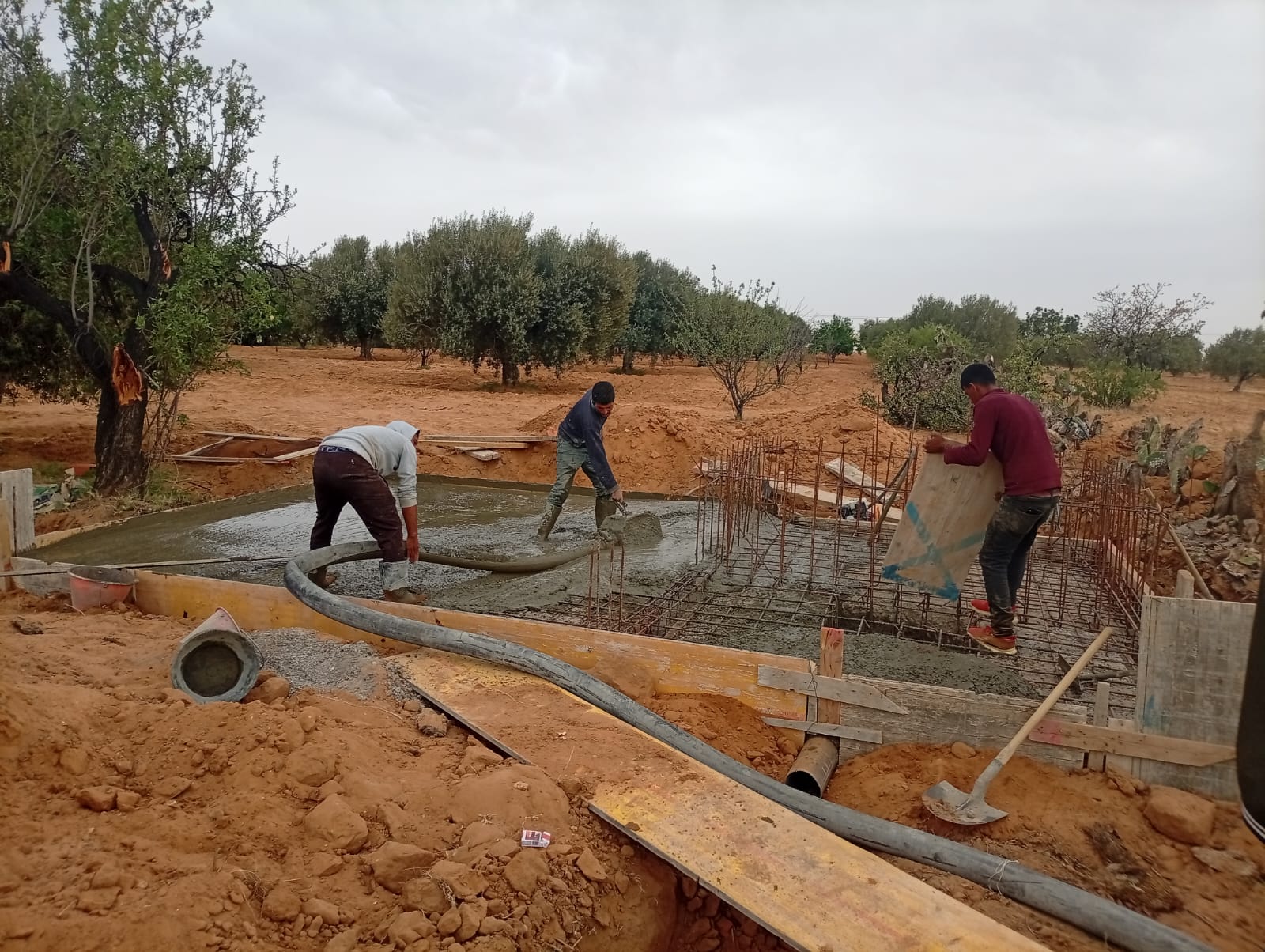
Foundation concreting (Pompe à béton)
02Stage 02

Foundation concreting (Pompe à béton)

I supervised the foundation pour with the concrete pump: I controlled the placing sequence, the layer thickness and the vibration of every lift, and kept the pour continuous without cold joints.

Why I insist on this: correct vibration removes the air voids that later become leaks — watertightness is decided during the pour, not after.

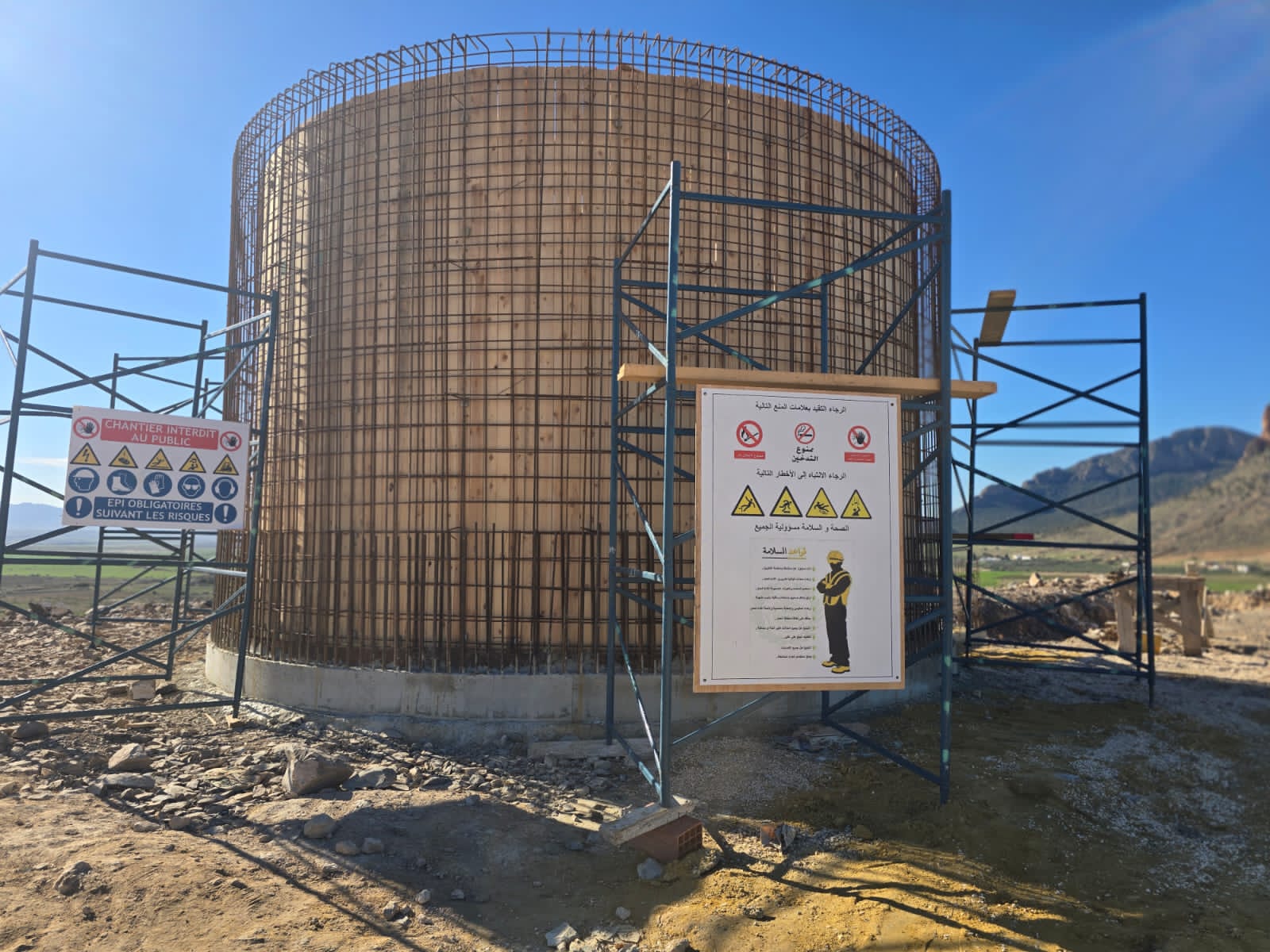
Circular walls: reinforcement & formwork
03Stage 03

Circular walls: reinforcement & formwork

I followed the raising of the vertical wall reinforcement and its closing with timber formwork — verticality, ties and formwork bracing — and I enforced the scaffolding and PPE rules on the working platforms.

Why I insist on this: this shell is the structural body of the storage vessel — a formwork defect here is visible for the life of the tower.

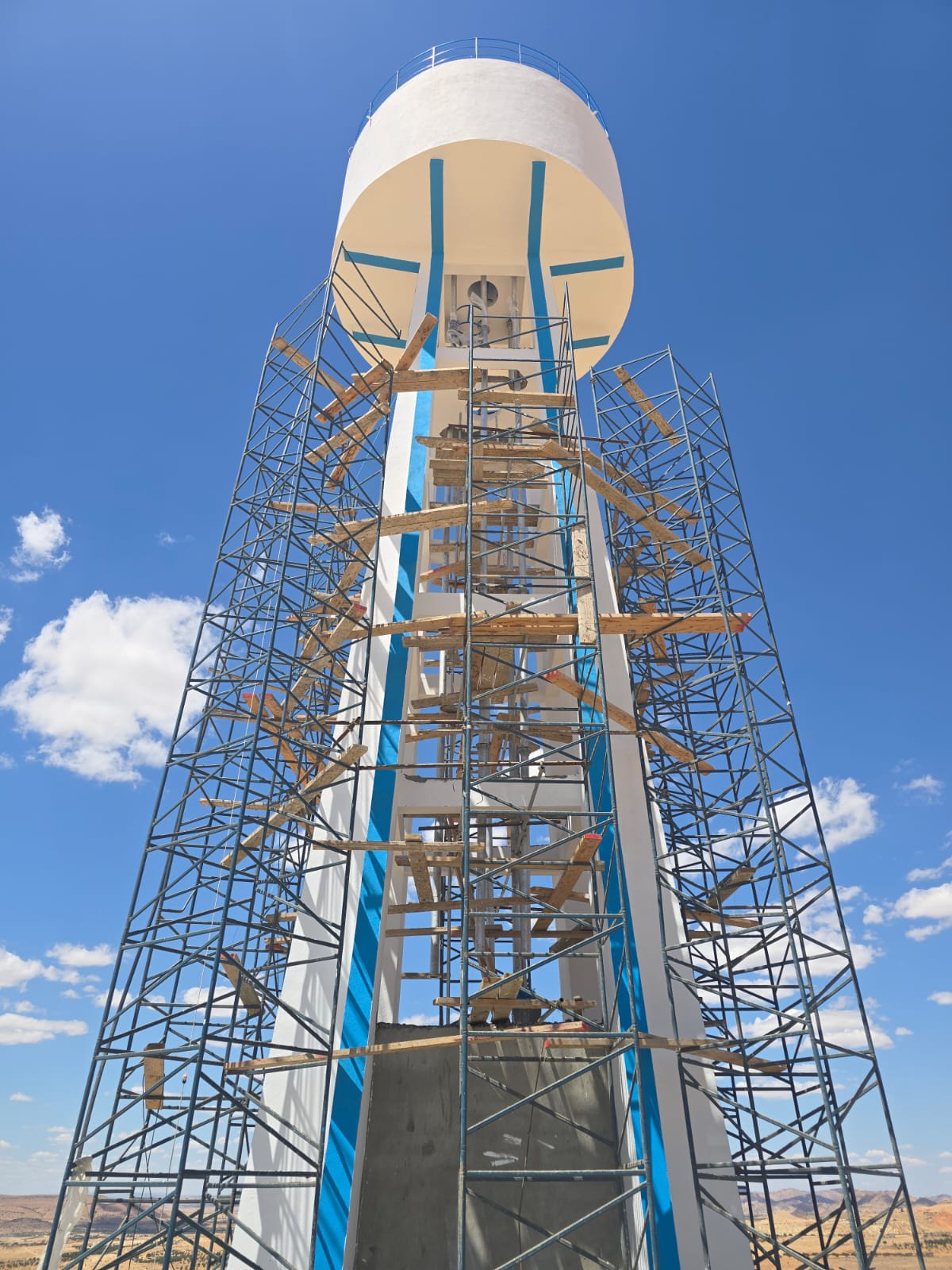
Elevated shaft, tank bowl & rendering
04Stage 04

Elevated shaft, tank bowl & rendering

I supervised the tower up to its final height: casting of the shaft columns and the upper bowl, the full-height metal and timber scaffolding, then the cement rendering and the white and blue protective coats.

Why I insist on this: rendering and protective paint shield the reinforced concrete from moisture and weathering and reinforce the watertightness of the vessel.

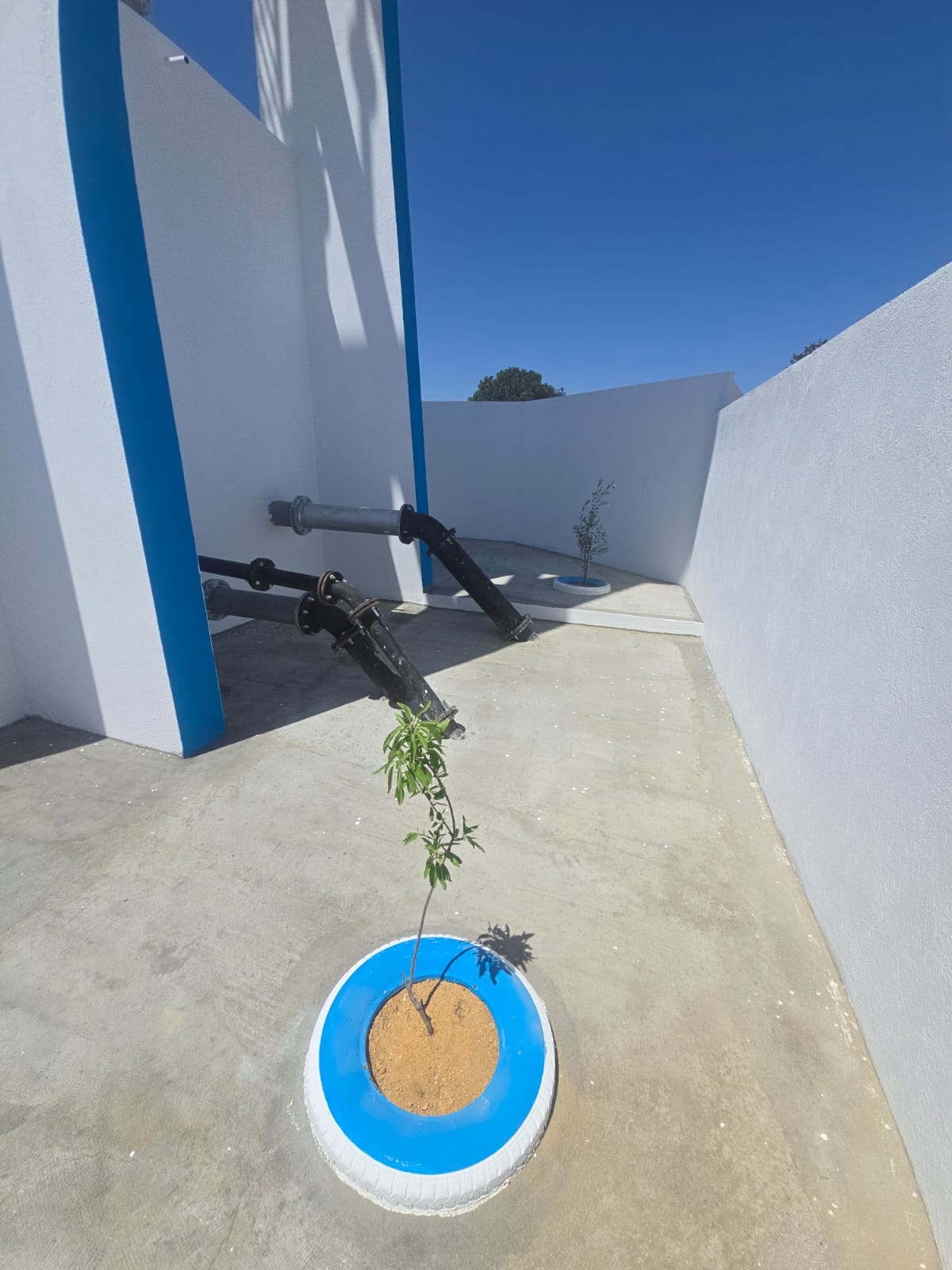
Pipework, valve chamber & handover finishes
05Stage 05

Pipework, valve chamber & handover finishes

I followed the ductile-iron adduction, distribution and drain/overflow lines assembled with flanges, bolts and sealing joints, and I checked the valve chamber — gate valves, dismantling joints, flow meters and check valves against water hammer — all in anticorrosion paint, then I had the site cleaned and landscaped for handover.

Why I insist on this: I do not hand a project over until hydraulics, safe access (crinoline ladder, guardrails, fencing) and finishes are all verified together.

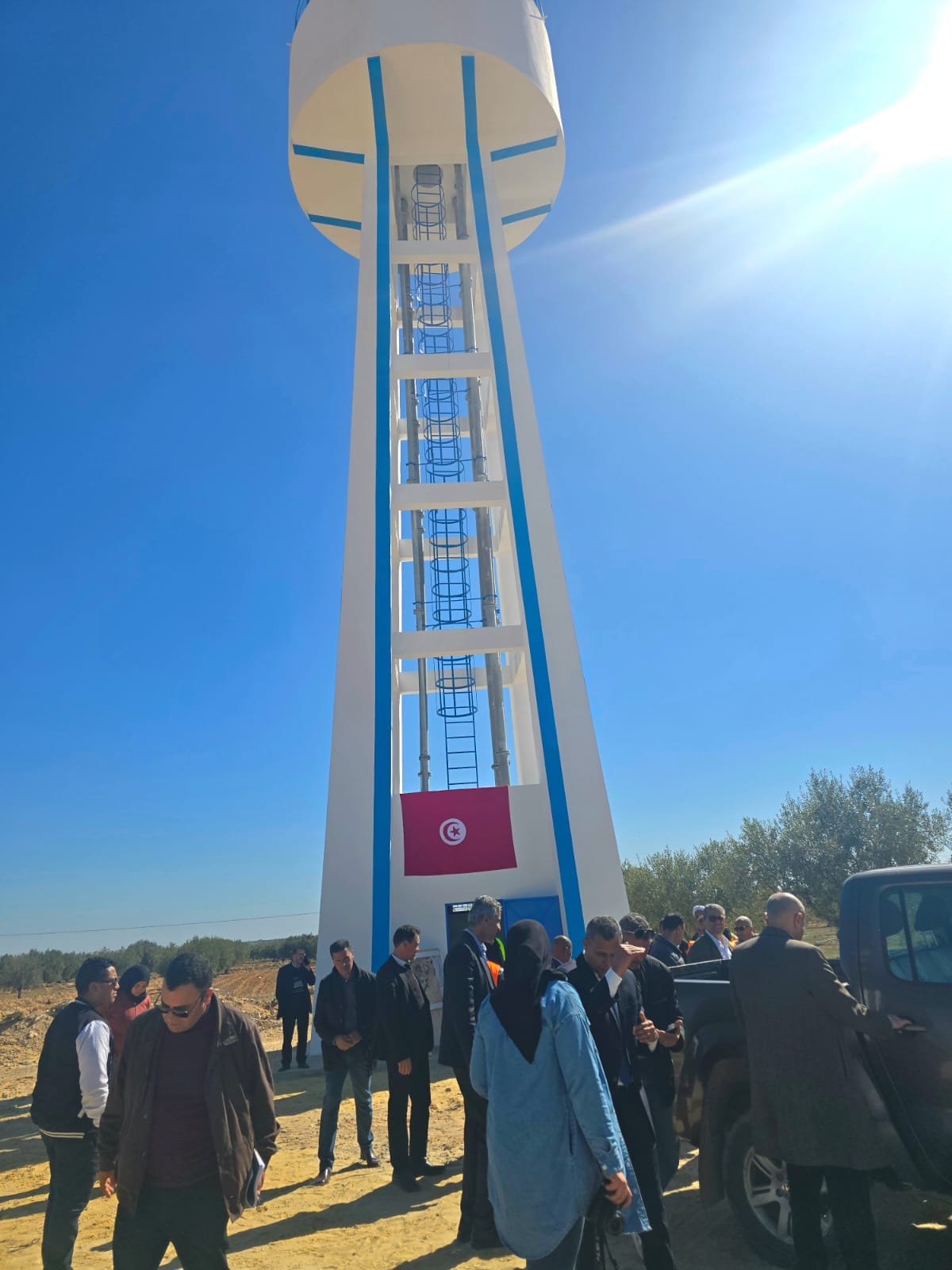
Commissioning & official handover
06Stage 06

Commissioning & official handover

The completed tower on commissioning day, presented to the client and the local authorities: I walked the delegation through the structure, the access ladder and the valve chamber, and answered the technical questions on capacity, watertightness and safety before the works were formally received.

Why I insist on this: a project is only finished when it is filled, pressurised and accepted in front of the people who will operate it.

International Mobility

International Mobility & Work Eligibility

As a qualified professional based in Tunisia, I am open to international career opportunities across Europe and can pursue applicable work and residence pathways, including the French Talent Passport (Carte Talent) and the EU Blue Card, subject to the relevant employment and eligibility requirements. I am available for international collaborations, employment opportunities, and relocation opportunities with European companies.

My qualifying degree

I hold a Civil Engineering degree at Bac+5 / Master level (ESSAT Gabès).

Cover letter

My cover letter, available as a PDF.

Check
Contact & Closing

Let's build together

Open to full-time civil engineering roles, project management assignments, and international mobility — locally in Tunisia or on expat contracts in Europe and the GCC.